

Travel Croatia
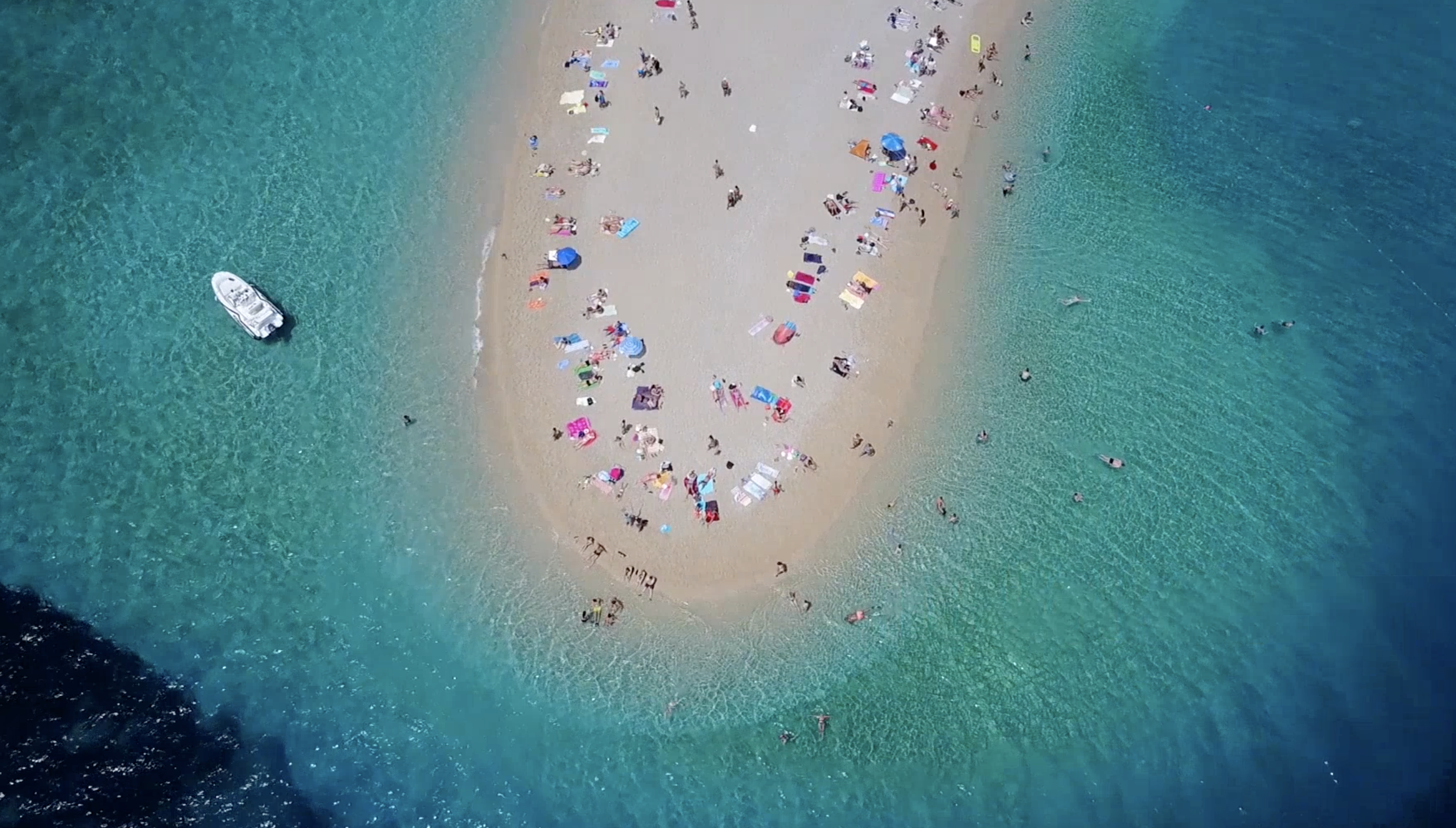
Located on the shores of the Mediterranean Sea, right next to Slovenia, Hungary, Serbia and Bosnia and Herzegovina, you’ll find the ‘It Girl’ of Europe – Croatia. Beyond the dazzling Adriatic coastline, discover hilltop towns with a strong Italian influence, hip nightlife spots, World Heritage Listed sites, sun-drenched beaches and timeless traditions. Sail the crystal blue waters on a traditional vintage motor-sailing ship or island-hop from one beautiful destination to another.
Top Croatia Trips

japan backpacker adventure
13 Days / 12 Nights
Departures: February – November 2023
Visit: Tokyo, Kamakura, Hakone, Kyoto, Hiroshima, Osaka
From $4,474 AUD

Go Group
japan backpacker adventure
13 Days / 12 Nights
Departures: February – November 2023
Visit: Tokyo, Kamakura, Hakone, Kyoto, Hiroshima, Osaka
From $4,474 AUD
Go Group
FAQ
1. When is the best time to visit Croatia?
Most travellers your age pick June–September for beach weather, island hopping, and nightlife.
July/August = peak parties + peak prices. May/October = warm but calmer.
2. Is Croatia expensive for young travellers?
It can be, but it doesn’t have to be. Drinks and nightlife cost more than other Balkan spots, but hostels, ferries, buses, and food are manageable. Island party events (Hvar/Zrće) add up fast.
3. How do I get between the islands?
You can jump between Split → Hvar → Korčula → Dubrovnik easily. Book ahead in July/August.
4. What’s the nightlife like?
In short: sunsets → beach bars → clubs → 5 AM bakery.
Hotspots include Hvar (Carpe Diem), Split (Beach Bars + Central), Novalja (Zrće Beach), and Dubrovnik old town bars.
5. Is Croatia safe for solo travellers?
6. Do I need cash, or is card accepted everywhere?
Cards work almost everywhere, but keep a bit of kuna/euro (Croatia now uses EUR) for kiosks, beach bars, bathrooms, and small ferries.